
From the grasslands of Assam to the teak forests of Central India, India offers some of the world’s most diverse safari landscapes. Whether you are planning your very first wildlife holiday or returning to explore lesser-known reserves, here’s a structured guide to help you choose the right safari destination, understand when to travel, how to get there, and where to stay.
Safari Destinations & Regions
Central India (Madhya Pradesh & Chhattisgarh)
What to expect: Expansive sal forests, open meadows, and perennial waterholes where the drama of the jungle unfolds. Central India is widely considered the heart of tiger country, with well-established safari infrastructure.
Go to see: Tigers, leopards, sloth bears, barasingha (swamp deer), gaur, and an impressive variety of birds.
Where to stay: Bandhavgarh: Mahua Kothi, Samode Safari Lodge; Kanha: Banjaar Tola by Taj Safaris, Singinawa Jungle Lodge; Pench: Jamtara Wilderness Camp, Pench Tree Lodge; Satpura: Reni Pani Jungle Lodge, Bori Safari Lodge.
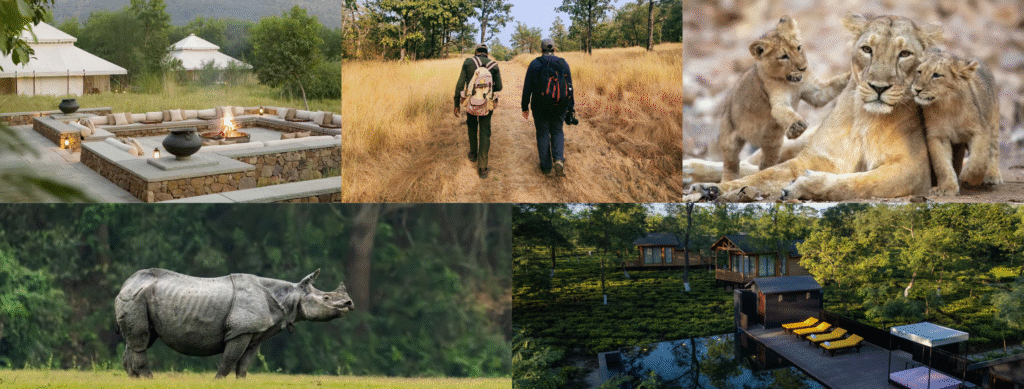
ET Recommends: For first-time travellers, Kanha offers a balanced mix of landscapes, luxury stays, and reliable tiger sightings. For seasoned visitors, Satpura’s walking safaris provide an entirely new way to experience the forest.
Rajasthan & Northern India
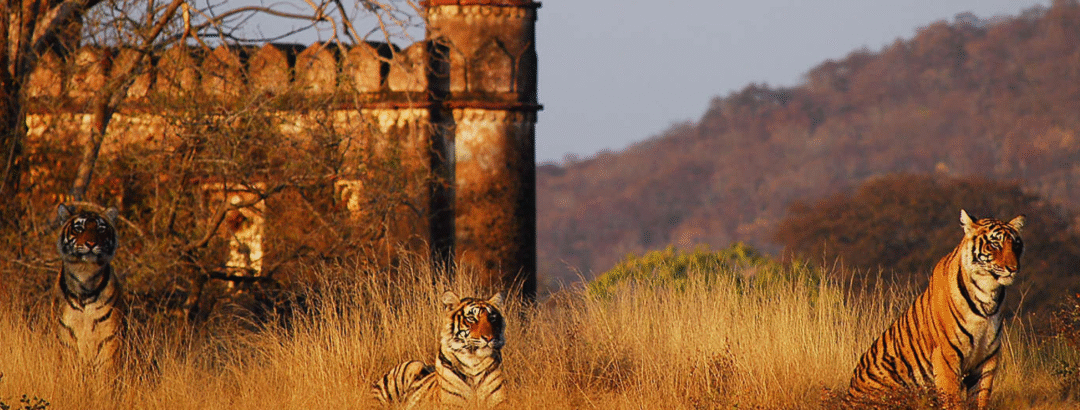
What to expect: Dry deciduous forests framed by dramatic forts and lakes. Proximity to Jaipur or Delhi makes these parks among the most accessible in the country—ideal for shorter luxury breaks.
Go to see: Tigers in Ranthambore, often sighted near ancient ruins and lakes; Asian elephants, leopards, and gharials in Jim Corbett.
Where to stay: Ranthambore: Aman-i-Khás, SUJÁN Sher Bagh; Jim Corbett: Aahana Resort, Taj Corbett Resort & Spa.
ET Recommends: Ranthambore is perfect for a first safari, combining heritage settings with high tiger visibility. Return travellers will appreciate the contrast of Jim Corbett’s Himalayan foothill landscapes and birdlife.
Gujarat’s Gir
What to expect: Rugged scrubland and dry teak forests where the Asiatic lion still roams free—the only place in the world to see this subspecies in the wild.
Go to see: Asiatic lions, leopards, striped hyenas, marsh crocodiles, and over 300 species of birds.
Where to stay: Postcard Gir, Aramness Gir.
ET Recommends: Stay at Aramness Gir for its contemporary safari design and expert guiding—the ideal base to explore the lion’s last habitat.
Northeast & Floodplains
What to expect: Vast floodplains, tall elephant grass, and dynamic wetland ecosystems. This region feels entirely different from the teak and sal forests of central India.
Go to see: The Indian one-horned rhinoceros in Kaziranga, along with elephants, swamp deer, wild buffalo, and migratory birds.
Where to stay: Kaziranga: Diphlu River Lodge, Borgos Resort; The Postcard at Durrung Estate, Assam.
ET Recommends: Combine a stay at Diphlu River Lodge with safaris across Kaziranga’s multiple ranges to see rhinos in their element, alongside dramatic birdwatching opportunities.
Southern India & The Western Ghats
What to expect: Rolling hills, shola-grassland mosaics, and wildlife corridors connecting elephant habitats. A quieter region with excellent biodiversity and fewer crowds.
Go to see: Elephants, tigers, leopards, and endemic bird species.
Where to stay: Mudumalai/Nilgiris: Jungle Hut, Kurumba Village Resort.
ET Recommends: Opt for the Nilgiri Biosphere region for a slower, more intimate safari, where elephants and birdlife often steal the show.
When to Go & How to Get There
Best time to visit:
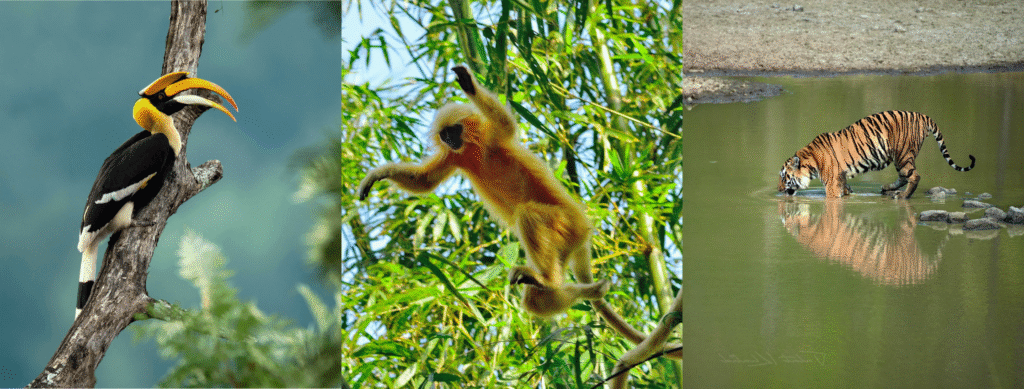
The safari season begins in October with the months of October to June being ideal for safaris, and February to April offering the clearest sightings as the foliage thins. May and June can be uncomfortably hot, but are rewarding months as animals congregate near waterholes. Most parks close during the monsoon (July to September).
Getting there:
- Bandhavgarh, Kanha, Pench: Jabalpur, Nagpur or Raipur airports.
- Ranthambore: Jaipur airport or Sawai Madhopur railway station.
- Jim Corbett: Dehradun or Pantnagar airports; Kathgodam railway station.
- Gir: Rajkot or Diu airports.
- Kaziranga: Guwahati airport.
Permits, Bookings & Safari Rules
Safari permits are limited and open for booking up to 120 days in advance. Each vehicle is allocated a specific zone and time slot, with morning and afternoon drives being the standard.
When deciding where to safari in India, your choice will often depend on whether you are setting out on your very first wildlife holiday or returning for a deeper, more nuanced experience. If you are planning your first safari, start with destinations such as Ranthambore, Bandhavgarh, or Kanha. These parks balance accessibility with reliable big cat sightings and premium lodge options. For returning travellers, the thrill often lies in venturing further afield. Satpura offers walking safaris, Kaziranga is unmatched for rhinos, and Gir introduces you to lions—experiences that expand the definition of an Indian safari.
India hosts nearly three-quarters of the world’s wild Bengal tigers, but its safaris extend far beyond this majestic predator. From lions in Gir to rhinos in Kaziranga and elephants in the Western Ghats, each region tells a distinct story.
At Eastern Travels, we believe every safari should be designed around you—whether it’s a first glimpse of a tiger or a return journey in search of rarer species. We craft safaris that go beyond a checklist, offering encounters that linger long after you leave the forest.
Connect with us to get planning!